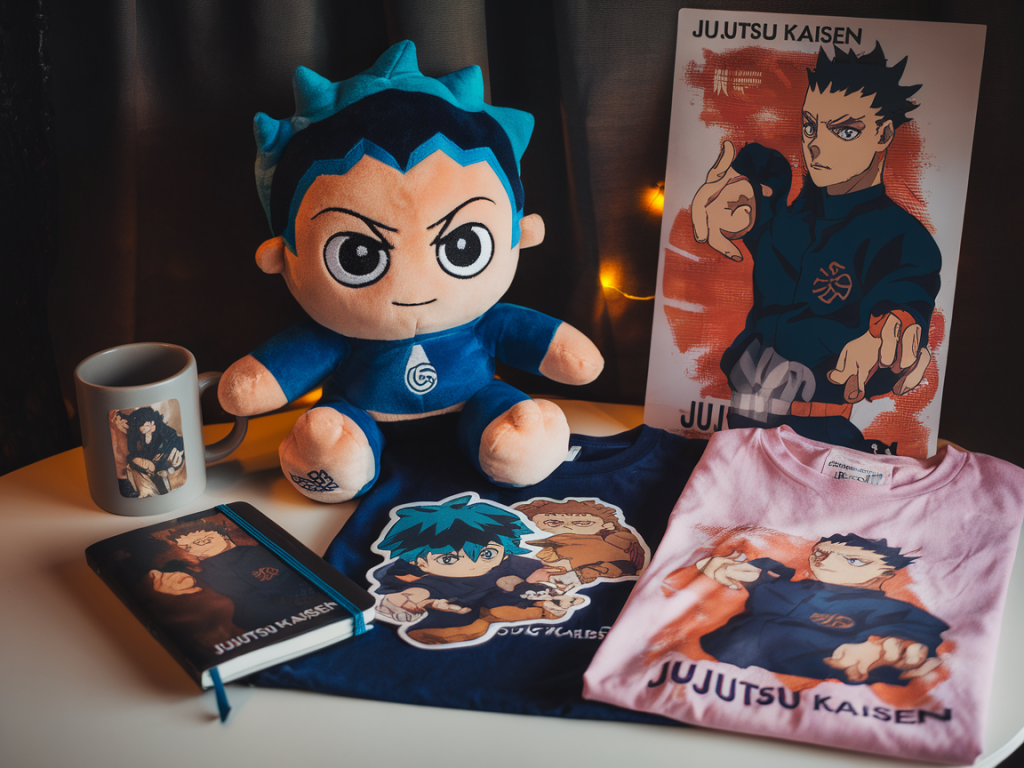
I’ve been buying Jujutsu Kaisen merch since the moment Gojo Satoru stole my heart, and over the years I’ve learned the hard way how to tell a gorgeous official jacket from a flimsy knockoff that falls apart after one wear. Whether you’re collecting figures, hunting down a Yuji hoodie for cosplay, or buying limited-edition prints, knowing how to spot authentic merch will save you money, disappointment, and a closet full of sad, stretched tees.
Why it matters
Authentic merch supports the creators and studios behind the series, and—practically speaking—it usually means better quality, accurate colors, and reliable sizing. Bootlegs often use cheap materials, incorrect artwork, and low-resolution printing that ruins the look of a costume or display piece. As someone who wears and shows off cosplay in public and shares detailed photos on the site, I care about how things look and hold up.
Start with the seller
Before anything else, check who you’re buying from. I almost always prefer established retailers for big-ticket items:
When using marketplaces, inspect seller ratings, read recent reviews, and look for photos from other buyers. A listing with multiple bad or nonexistent photos is a red flag. If the seller refuses to send extra images or provide tracking, step back.
Price—too good to be true probably is
Price is the easiest initial check. Official figures from Good Smile or Bandai Namco commonly have MSRP you can look up; if a “brand new” figure is priced at 20–30% below retail from an unknown seller, that’s suspicious. For apparel, a licensed hoodie with embroidery and decent fabric will cost more than a generic print tee. I keep a mental range for items I want and use that to judge outliers.
Packaging and tags
One of my favorite parts of unboxing official merch is the care taken with packaging. Look for:
Bootlegs often come in plain or poorly printed boxes, or they have stickers that look low-quality and peel easily. If a product that should have a license tag arrives without any, ask the seller for proof of authenticity.
Quality of materials and printing
For cosplay and apparel, fabric weight, stitching, and print clarity matter. I inspect these whenever I can:
When buying props or weapons for cosplay, consider the finish. Official replicas from companies like Bandai or Cospa often have clean paintwork and proper materials. A toy-grade paint job that chips at the first knock suggests low-quality manufacturing.
Look for licensing information
Official merchandise is almost always labeled with licensing credits. Common phrases and marks include:
If the listing or product photos don’t show these details, ask. Sellers of authentic items can usually provide high-resolution photos of tags and stamps.
Examine photography and product descriptions
Product photos tell a huge story. I prefer listings with multiple angles, close-ups of stitching, and clear shots of tags or box bottoms. Beware of:
Good descriptions will list materials, dimensions, weight, and care instructions. If crucial details are missing, ask for clarification before buying.
Check reviews and community feedback
I rely heavily on the fandom community when evaluating sellers. Search Reddit, Discord servers, and cosplay Facebook groups for seller names or product models. People will often report common issues—wrong colors, broken parts on arrival, or missing accessories. When possible, prefer sellers with a pattern of reliable transactions.
Red flags table
| Red flag | What it suggests |
|---|---|
| Very low price | Possible counterfeit or used product misrepresented as new |
| No license info | Likely unofficial or fan-made without permission |
| Plain packaging | Mass-produced cheap knockoff |
| Seller refuses photos or tracking | Potential scam |
| Poor print/embroidery in images | Low-quality manufacturing |
Special checks for figures and statues
Figures are the most commonly bootlegged items in the anime merch world. I look for:
When in doubt, compare box art and SKU numbers with the manufacturer’s official product page. Many bootlegs try to copy the box but miss tiny details like barcode placement or fonts.
Buying international and customs
If you import merch, check that the seller provides accurate customs declarations and returns information. Some bootlegs arrive labeled as “toys” or “gifts” but clearly replicate copyrighted characters—this risks seizure by customs. Also be aware of return policies; official retailers usually have transparent procedures, while sketchy sellers may be unreachable after payment.
For cosplayers: fit, finishes, and safety
As a cosplayer, I need gear that survives conventions and travel. When buying costume pieces:
Always ask for a photo of the item being worn or mounted to evaluate fit and proportions. I’ve saved myself from several disappointing purchases by requesting a model shot first.
How to report and get refunds
If you receive bootlegged merch advertised as official, document everything: photos of the item, packaging, and listing. Contact the seller first; if that fails, open a dispute with the platform (PayPal, credit card chargeback, Etsy/eBay resolution). Report counterfeit goods to the publisher or manufacturer—many companies have forms for reporting unauthorized sellers.
Buying official Jujutsu Kaisen merch takes some practice, but the payoff is worth it: better cosplay, happier displays, and the satisfaction of supporting the creators. When in doubt, ask questions, compare against official product pages, and trust your instincts. If you want, drop a link to a listing you’re unsure about in the comments and I’ll take a look.