When a friend asks me how to dive into Jujutsu Kaisen without getting lost, I always start with one clear preference: do you want to follow the story in chronological order, or do you want the viewing experience that maximizes emotional impact and reveals? Those two goals don't always match, so I built three different story-first watch orders based on what most newcomers actually want. Below you'll find a clear, practical path for each approach, my personal notes on why I chose the sequence, and tips for streaming and avoiding accidental spoilers. Pick the path that fits your mood and let's get you into the world of jujutsu sorcery.
Why watch order matters for Jujutsu Kaisen
Jujutsu Kaisen blends present-day plots with heavy flashbacks and prequel material that reshapes how you view characters like Gojo, Geto, Toji, and even Yuuta (from the movie). Seen out of order, some reveals either lose punch or reveal key stakes too early. A “story-first” approach aims to present events in a way that preserves dramatic reveals while also making sure core motivations and continuity make sense.
Three story-first watch orders I recommend
Below are three watch orders, each tailored to different viewer priorities. I’ve included why I recommend each sequence and when to insert the movie and Season 2 arcs.
- Chronological order (strict timeline) — Best if you want a linear timeline from earliest to latest events.
- Narrative-first order (recommended for first-time watchers) — Best if you want the strongest emotional and mystery-driven experience.
- Release order — Best if you want the experience most original viewers had and to follow pacing as the anime studio intended.
Chronological order (timeline-first)
This order follows the in-universe timeline. It adds context early but can soften the mystery of certain reveals.
- Jujutsu Kaisen 0 (movie) — Yuta Okkotsu’s story happens before the main series and gives context for the jujutsu world and its institutions.
- Jujutsu Kaisen Season 2: Gojo’s Past (Hidden Inventory / Premature Death arc)
- Jujutsu Kaisen Season 1 (Episodes 1–24)
- Jujutsu Kaisen Season 2: Shibuya Incident
- After finishing the anime so far, continue with manga for chapters beyond the anime.
Pros: clean timeline, minimal confusion about character ages and relationships. Cons: less mystery — you learn some characters’ backstories before seeing their present-day counterparts confront similar themes.
Narrative-first order (my recommended path for newcomers)
This is the sequence I usually suggest when I want someone to experience the show with maximum emotional payoff and careful preservation of twists.
- Season 1 — Episodes 1–24 (watch straight through)
- Jujutsu Kaisen 0 (movie) — Inserted after finishing Season 1 gives you the main cast’s context while letting the movie’s emotional stakes land strongly.
- Season 2: Gojo’s Past (Hidden Inventory / Premature Death arc) — after the movie, this deepens Gojo/Geto history without spoiling too much early on.
- Season 2: Shibuya Incident — watch this after Gojo’s Past to fully appreciate the stakes and character choices.
Why this order? When I first watched Jujutsu Kaisen, I found that seeing the modern cast first made the prequel movie hit harder. Yuta’s struggles feel intimately connected to the world we already care about, and following that with Gojo’s Past gives historical weight to the threats we’ve seen in Season 1.
Release order (what most early viewers experienced)
This path follows how the anime and movie were released.
- Season 1 — Episodes 1–24
- Jujutsu Kaisen 0 (movie)
- Season 2: Gojo’s Past then Shibuya Incident
Pros: you see the series as the studio gradually revealed it. Cons: chronological placement of some arcs is shuffled relative to the story timeline, which can be slightly confusing but not harmful.
Quick reference table: pros and cons
| Order | Best for | Pros | Cons |
|---|---|---|---|
| Chronological | Timeline clarity | Logical flow, less timeline-jumping | Some reveals lose suspense |
| Narrative-first | Emotional impact | Balanced reveals, strong emotional beats | Small timeline mismatches |
| Release | Original viewing experience | Matches original audience reactions | Timeline jumps may confuse newcomers |
Where to stream and what version to pick
Crunchyroll tends to have both sub and dub for Jujutsu Kaisen and the movie in many regions. Netflix has the series in some territories but availability varies. If you prefer voice work, the English dub is excellent — I enjoy both, but I usually recommend subtitles for first-time watches so you can catch nuances in the original Japanese performances.
Technical tips:
- Watch at 1080p or higher if your device supports it—some animation sequences (especially action set pieces) look stunning in HD.
- If you’re binge-watching, give yourself breaks after major arcs (e.g., after Episode 24 or after the movie) to process plot developments.
Where the manga fits in
The anime adapts the manga faithfully for the arcs covered so far. If you finish the current anime and crave more, I recommend continuing with the manga from the point the anime stops. The manga is where future arcs will be available early — be cautious of spoilers on social media and consider using a reputable platform (like Viz Media’s Shonen Jump or Manga Plus) to read.
Spoiler warnings and how I avoid them
I learned the hard way how social media spoils big anime moments. My tips:
- Mute keywords on Twitter/Threads like "Shibuya," "Toji," "Gojo," or "Shibuya Incident" until you've watched the arcs you want to experience unspoiled.
- Use the comment-sort feature on sites and avoid discussion threads until you’re caught up.
- If you join fandom spaces, state your progress in the pinned comment — most fans are happy to mark spoilers.
Episode pacing and emotional preparation
Some arcs are emotional and formally intense. The Shibuya Incident, for example, is a long, dense arc with high stakes and shocking moments. Give yourself time and space to process it — it's not straight action: it’s heavy on character consequences. Personally, when I first watched it, I spaced episodes out to let scenes breathe, and I think that made the emotional beats land better.
Extras and cosplay-friendly notes
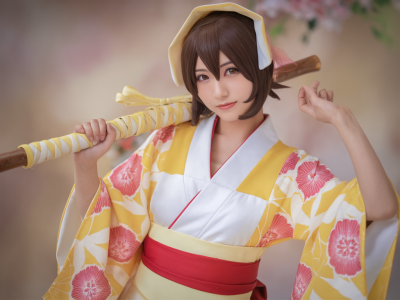
If you’re into cosplay or fan art, watchful attention to character detail matters: hair color shifts, uniform variations, and cursed technique visualizations evolve across arcs. For instance, Gojo’s flashback look differs significantly from his present-day styling, which can inspire distinct cosplay versions. I keep a mood board on Pinterest (and sometimes reference official artbooks) to nail those details.
If you want, I can generate a printable episode checklist tailored to the watch order you choose, or curate a “first 12 episodes” mini-schedule if you want a weekend intro binge. Tell me which order you prefer and your viewing pace, and I’ll make a personalized plan.