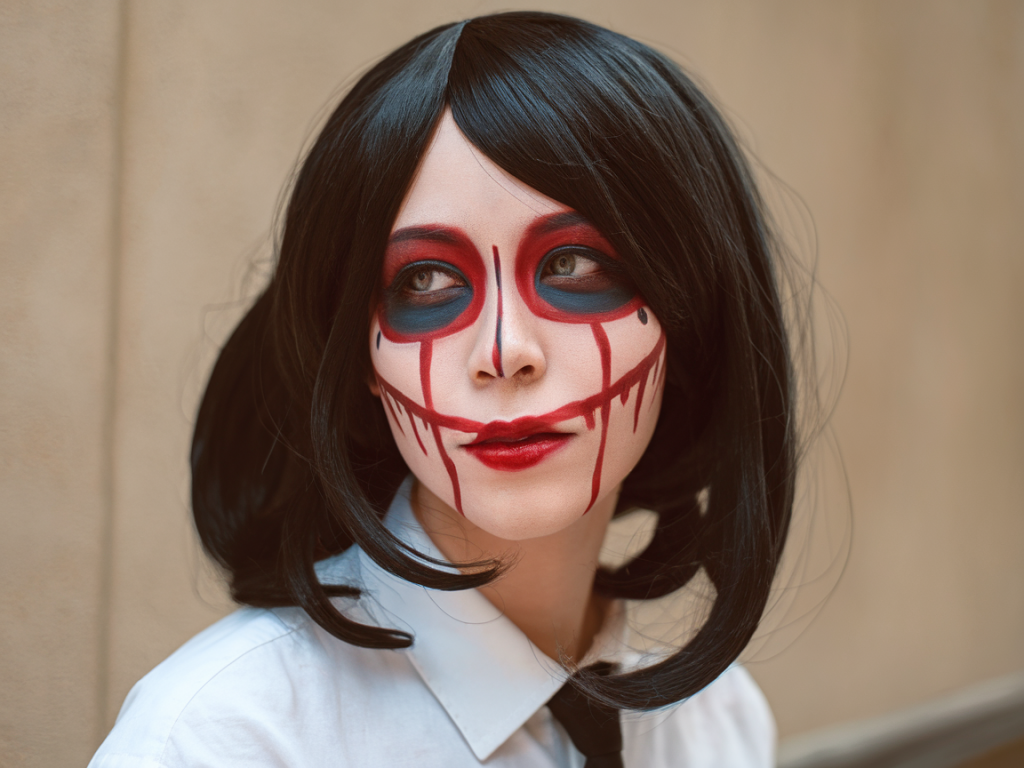
what every new cosplayer should know before attempting choso’s blood-style makeup

what every new cosplayer should know before attempting choso’s blood-style makeup

Attempting Choso's blood-style makeup is one of those cosplay choices that looks spectacular in photos but can be deceptively challenging in practice. I've tackled this look a few times—both for shoots and conventions—and learned the hard way which shortcuts work and which create problems (hello, stained clothes and irritated skin). In this guide I'll walk you through everything I wish I'd known before my first attempt: prep, products, techniques, safety, and tips for long days under lights or in crowded halls.

Know the look you're aiming for

Choso’s blood-style makeup is distinctive because it’s simultaneously dramatic and messy in a controlled way. Think veins, drips, and splatters that feel organic rather than cartoonish. Before you pick up a brush, study reference images from multiple angles—the anime, official art, and fan shots. Decide if you want a hyper-real blood effect (think glossy red with depth), a more stylized flat red like the anime, or something in-between with visible veins and texture.

Skin safety first

Your skin should always come before accuracy. Choso’s look requires heavy use of pigments and adhesive for layered effects, so patch testing is essential. Apply a small amount of each product on your inner arm 24–48 hours before full application to check for irritation or allergic reactions.

For sensitive skin, opt for well-reviewed, hypoallergenic brands. I’ve had good experiences with Mehron Paradise AQ for face paint (it’s water-activated and gentle) and Ben Nye for prosthetic adhesives and stipple work. If you have reactive skin, avoid products with strong fragrances or isopropyl myristate.

Key products you should consider

  • Water-activated paints (e.g., Mehron Paradise AQ) — great for base colors and smooth layers.
  • Cream and grease paints — useful for blending and creating depth, though oil-based options can transfer easily.
  • Alcohol-activated palettes (e.g., Skin Illustrator or Wolfe) — my go-to for long-lasting, transfer-resistant blood effects that survive sweat and touch.
  • Fake blood — brands like Kryolan, Ben Nye, or Mehron offer different viscosities: thick for clots and texture, thin for realistic drips.
  • Adhesives and sealers — spirit gum or Pros-Aide for attaching prosthetic bits; Setting sprays like Skindinavia or Ben Nye Final Seal to lock everything in place.
  • Makeup removers — oil-based removers break down stubborn pigments and adhesives. I keep micellar water and an oil cleanser on hand.
  • Planning your layers

    Choso’s blood-style look is all about layering: base color, depth, veins, and final glossy blood. Here’s the order I follow:

  • Prep skin: cleanse, moisturize, and (if needed) apply a primer to even texture and help the makeup adhere.
  • Lay down a base tone using a water-activated or cream paint. Keep it slightly lighter than the final red you want.
  • Add shadows and depth with darker reds, purples, or even a touch of brown around edges to give age and thickness.
  • Paint veins and fine lines with a fine liner brush and a diluted dark red or purple. Use reference images—vein direction and spread make the effect believable.
  • Blend selectively: soften edges where the blood meets skin with a sponge or brush, but keep contrast where you want focus.
  • Apply fake blood last for wet drips and shine. Use different viscosities for interest—thin blood for long drips, thicker for clots and texture.
  • Techniques for realistic veins and drips

    Veins should feel like they're under the skin, not painted on top. To create that illusion:

  • Start with a very thin line of color, then smudge the edges slightly to soften.
  • Layer a lighter red over the center of the vein to give a subtle highlight.
  • For drips, load a small dropper or a clean mascara wand with thin fake blood. Hold it at the point where you want the drip to originate and let gravity do the work. If you need to control the direction, a small straw can help you aim drops precisely.
  • To simulate dried or crusted blood, pat a thicker fake blood with a stipple sponge and then dab with tissue to create texture.
  • Costume and transfer prevention

    One of the most common pitfalls is blood makeup transferring all over your costume or car seats. To minimize this:

  • Use alcohol-activated paints for areas that will rub a lot—these become water-resistant and far less likely to transfer.
  • Set cream products with translucent powder or setting spray. Ben Nye Neutral Set is a staple I frequently use.
  • For final glossy drips that must stay wet-looking, try to put these on last and keep them away from fabric seams or areas that will touch clothing. If you must wear a garment over the makeup, place a barrier like plastic wrap temporarily during dressing.
  • Practical day-of tips

    Conventions and shoots have different needs. For cons, prioritize comfort and longevity; for photoshoots, prioritize visual drama.

  • Carry a small kit: q-tips, paper towels, blotting paper, a mini bottle of fake blood for touch-ups, translucent powder, and adhesive remover.
  • Set a realistic schedule. Complex looks can take 1–3 hours—factor in time to fix mistakes and take trial photos under the lighting you expect.
  • If you’re getting in-car or backstage touch-ups, bring a small mirror and consider a friend to assist with hard-to-reach spots.
  • Removal and aftercare

    Don’t rush removal. Use an oil-based cleanser or commercial adhesive remover to dissolve prosthetic glue and alcohol-activated pigments. Follow up with a gentle facial cleanser and a soothing moisturizer. I also like to apply a calming toner or aloe gel if I’ve had sensitive skin reactions.

    Keep in mind that some pigments (especially bright reds) can stain. If you’re worried about staining hairlines or clothes, apply a barrier cream (like CeraVe or a silicone-based primer) at the hairline and along edges, and change into old clothes before removing the bulk of the makeup.

    Practice makes perfect

    My last and most important tip: don’t expect perfection on your first try. The first time I attempted Choso’s blood-style makeup I learned how different lights and camera settings change the look. Do a few test runs, take photos under the conditions you’ll be using (studio lights or fluorescent con panels), and tweak your palette and techniques accordingly. Over time you’ll develop your own shortcuts and favorite products that suit your skin and style.

    If you want, I can share a step-by-step product list I use for my photoshoots or walk you through a quick beginner-friendly version of the look for your first attempt—just tell me whether you’re planning a con or a photoshoot and your skin type.


    You should also check the following news:

    Characters

    what supporting character had the biggest unseen impact on the plot and why it matters

    02/12/2025

    I’ve always been fascinated by the quiet gears that turn a story behind the scenes — those supporting players who never occupy the spotlight but...

    Read more...
    what supporting character had the biggest unseen impact on the plot and why it matters
    Theories

    what subtle foreshadowing in season 1 you missed that hints at later arcs

    02/12/2025

    Season 1 of Jujutsu Kaisen moves fast, but if you rewatch with an eye for detail you'll notice the anime quietly seeds a lot of future payoffs. I...

    Read more...
    what subtle foreshadowing in season 1 you missed that hints at later arcs